
Driving licence
Keep it current and carry it, or be able to produce it when asked. An expired licence is not about the car at all, and it changes the tone of a stop immediately.
Hatanpään valtatie 34, 33100 Tampere, Finland
Hatanpään valtatie 34, 33100 Tampere, Finland
+358 3 3142 5590 [email protected]Monday–Friday: 9:00–18:00
Finnish traffic rules, in plain language
Most Finnish traffic rules are ordinary until the moment they are not: a parking sign you misread, an inspection you forgot, a document you left at home. This page covers the rules that come up in daily driving, with the practical details that decide whether a stop or a check goes smoothly. It is not the full legal text, and where a rule has exceptions the official source wins. What you get here is orientation, so you know what applies to you and where to confirm it.
Finnish traffic rules are set nationally and then shaped locally: the general limits change by road type, cities add their own parking zones, and winter adds a layer of tyre and maintenance rules on top. Rather than quote the regulation, this page walks the situations you actually meet behind the wheel and tells you which detail decides the outcome.
Use it as a first stop before a check, a parking dispute, a seasonal change or an inspection date. Where something has a hard condition attached, we point you to the record or the official source that settles it.
Finland uses general speed limits that change with road type and conditions, and local limits that can be lower in built-up areas. Limits can also be adjusted seasonally on major routes, and temporary signs override the general ones. The rule of thumb is to read the signs rather than rely on memory from a previous trip on the same road.
Conditions matter legally too. If weather or visibility makes the posted limit unsafe, you are still expected to slow down, and that expectation is part of how the rule is applied rather than an optional courtesy. A limit is the fastest you may legally go in good conditions, not a target to hold through rain, fog or the first snow of the season.
Road type does most of the work. Motorways and main rural routes carry higher general limits, built-up areas drop sharply, and a sign at the entrance to a town or residential zone tells you when the lower limit applies. Where a variable or seasonal sign is showing, treat it as the current rule for that stretch, because it was set for the road as it is today.
A stop or a ticket usually turns on one detail: a sign you did not read, a document you could not show, or a record that had already lapsed.
That is why the sections below focus on the small things that decide an outcome, not on the full legal text. Official sources stay the final word where a rule has exceptions.
Parking enforcement in Finnish cities is active and specific. Signs, markings, and zone rules decide what is allowed, and a resident permit area is not open parking. Winter adds its own layer, because street maintenance and snow clearing can restrict where vehicles may stand. If you park in a private lot, the operator's terms apply rather than the public street code. Photograph the sign and the position if a ticket seems wrong, since that is what disputes turn on.
Street signs
The sign at the kerb is the rule, not the space itself.
Time windows, permit-only markings and loading restrictions each apply on their own terms. A space that is legal at noon can be a fine at 08:00.
Resident permits
A permit zone is for permit holders, not for visitors.
Parking inside one without a valid permit is treated as a violation even if the street looks free. Read the zone sign before you leave the car.
Winter street care
Ploughing and snow clearing can move the rules overnight.
Streets scheduled for maintenance may restrict standing vehicles. Check for temporary signs before leaving a car on a snow route.
Private car parks
A private lot runs on its operator's terms.
Supervision fees, time limits and camera rules there are contractual, not the public street code. Keep the ticket and note the time you arrived.
Disputing a ticket
Photos of the sign and the car position carry the case.
Disputes turn on what the sign said and where the vehicle actually stood. Shoot both before you drive away.
Driving in Finland means being able to show that you are entitled to drive and that the vehicle is legal. Keep your driving licence current and your registration and insurance information consistent with the register. For company and leased vehicles, know whether you are listed as the holder.
A missing or expired document turns a routine check into a longer conversation, and it can escalate if the vehicle's registration status itself is out of date.
Keep it current and carry it, or be able to produce it when asked. An expired licence is not about the car at all, and it changes the tone of a stop immediately.
The register entry follows the vehicle. If ownership or holder details have changed, confirm the record matches who is actually using the car.
Cover should match the registered keeper. Transfers and registrations move faster when both parties share insurance details before the paperwork starts.
If the car is with an employer or a leasing company, know whether you are the holder on the record. That answer decides what you can show at a check.
Motor vehicle liability insurance is tied into the registration process rather than sitting apart from it. You need cover arranged for the vehicle to be used legally in traffic, and the insurance entry should match the registered keeper. This is one reason transfers and registrations move faster when both parties share insurance details up front.
If a vehicle sits unused, do not let an insurance lapse go unnoticed, because the registration status and the insurance status are checked against each other. A car parked off the road still carries a record, and that record is what a check reads first.
Vehicles in Finland are subject to periodic inspection on a schedule that depends on the vehicle's class and age. The inspection checks roadworthiness, and it is also a moment when the register data gets verified. Missing an inspection does not make the car invisible, because the record follows the vehicle.
If you have just imported a car or returned one to traffic, confirm whether an inspection is due before or after registration. Booking early is easier than explaining a lapse.
Find the due date
The schedule depends on vehicle class and age, so check the car's own record rather than a general rule picked up second-hand. Registration documents and the register both point to the same date.
Bring the car roadworthy
The inspection checks roadworthiness, which means lights, brakes, tyres and the usual wear items are looked at with a purpose. Fixing small faults beforehand is quicker than returning after a failed check.
Confirm the register data
Inspection also verifies the record attached to the vehicle. If keeper or ownership details are out of step with reality, that comes up here.
After an import or return to traffic
Imported cars and vehicles coming back onto the road have their own timing question: whether inspection falls before or after the registration step. Confirm the order before you book a slot.
Finnish winter driving is a rule context as much as a skills test. Tyre requirements apply in defined conditions, and road maintenance varies by road class and time. The practical rule is to plan for slower average speeds and to leave more distance, since the legal limits still apply even when traction does not.
Keep the vehicle's documents and insurance current through the season, because the combination of a small administrative gap and a winter incident is the worst time to discover it.
Tyres
Requirements apply in defined winter conditions, so plan by season and road state rather than by a single calendar date.
Maintenance
Ploughing and gritting vary by road class and time of day, so the same route can be very different between morning and evening.
Paperwork
An inspection or insurance lapse is a bad winter companion. Settle it before the season rather than mid-slide.

Vehicles registered abroad can be used in Finland under conditions, and the register here is not automatically updated for them. If you are moving to Finland or keeping a foreign-registered vehicle here, the question shifts from visiting to registering, and first registration requirements can apply.
Do not assume a foreign plate settles the matter. Check how long the vehicle may be used and what triggers a Finnish registration obligation. If you live here and drive here week after week, the visiting phase has an end, and the date it ends is the thing worth confirming early.
A roadside stop can cover licence, insurance, and the vehicle's registration status at the same time. If required registration notifications were never submitted, the matter can be treated as a vehicle violation, and the police may remove registration plates and issue a fine.
That is the enforcement edge of everything on this site. Keep your records in order and a stop stays short: show the documents, confirm the vehicle is registered and insured, and continue.
Licence
Proving you are entitled to drive is the first thing asked for. An expired or missing licence is a separate problem from the car.
Insurance
Cover must exist for the vehicle to be used in traffic, and it should name the keeper the register shows. Mismatches surface here.
Registration
If notifications were never submitted, the vehicle can be treated as unregistered, with plates removed and a fine issued. That is the step to avoid.
Short answers to the four things that come up most often at the roadside or in a parking dispute.
Still unsure about your own case? The team answers questions about specific rules and registration situations.
Ask about a ruleYou should be able to show that the vehicle is legally registered and insured. Keep the certificate and insurance information accessible.
The schedule depends on the vehicle class and age. Check the vehicle's own record rather than relying on a general rule.
Tyre requirements apply in defined winter conditions. Plan for them by season rather than by calendar date alone.
The record follows the vehicle, so the lapse stays visible. Book the inspection and confirm the registration status is current.
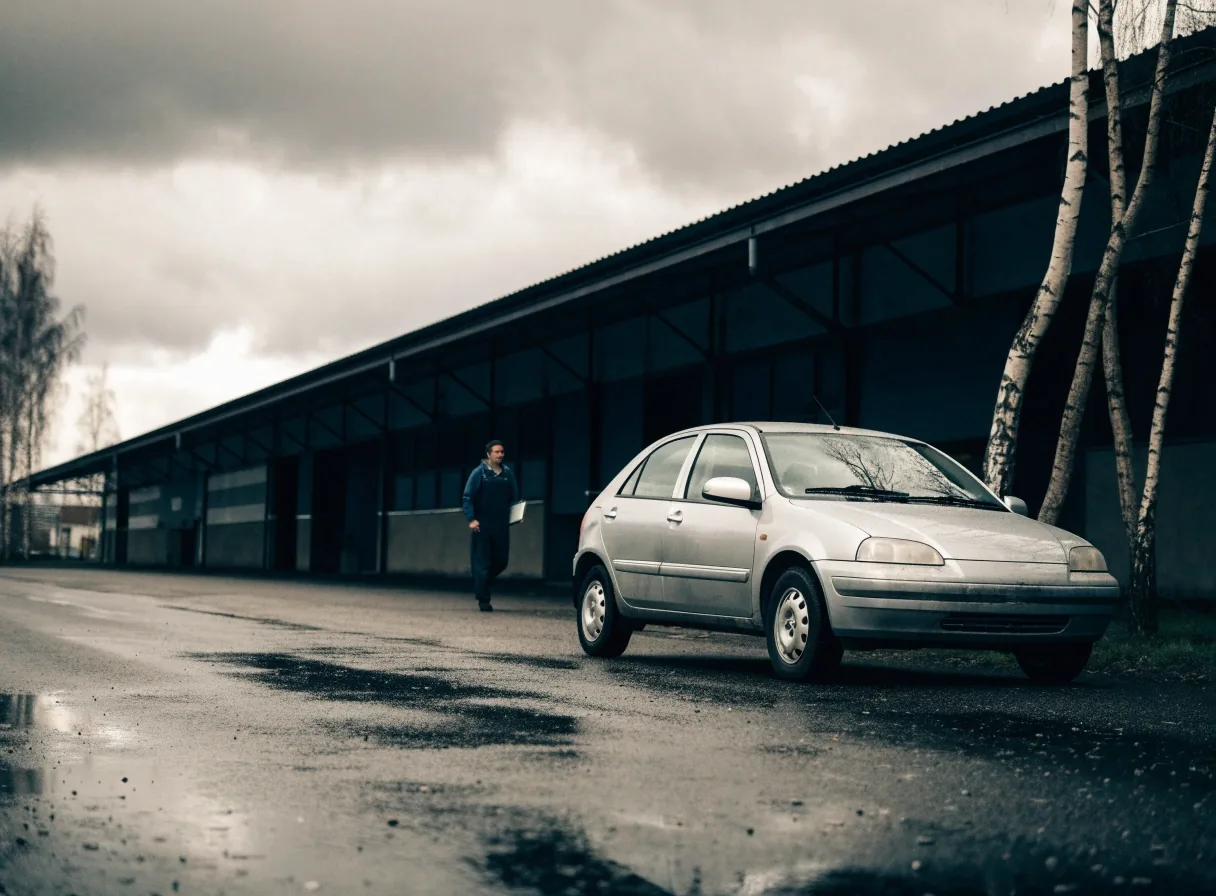
Rules are easier to live with when the records behind them are current. Start with the state of your own vehicle, or read how registration actually works before you need it.
Visit
Hatanpään valtatie 34, 33100 Tampere, Finland
Call
+358 3 3142 5590
Hours
Monday–Friday: 9:00–18:00
Trafflicom explains Finnish traffic rules, registration and compliance in plain language. Where a rule has exceptions, the official source is the final word.